Anthropic’s $200M Pentagon Contract at Risk Over Military Safeguards
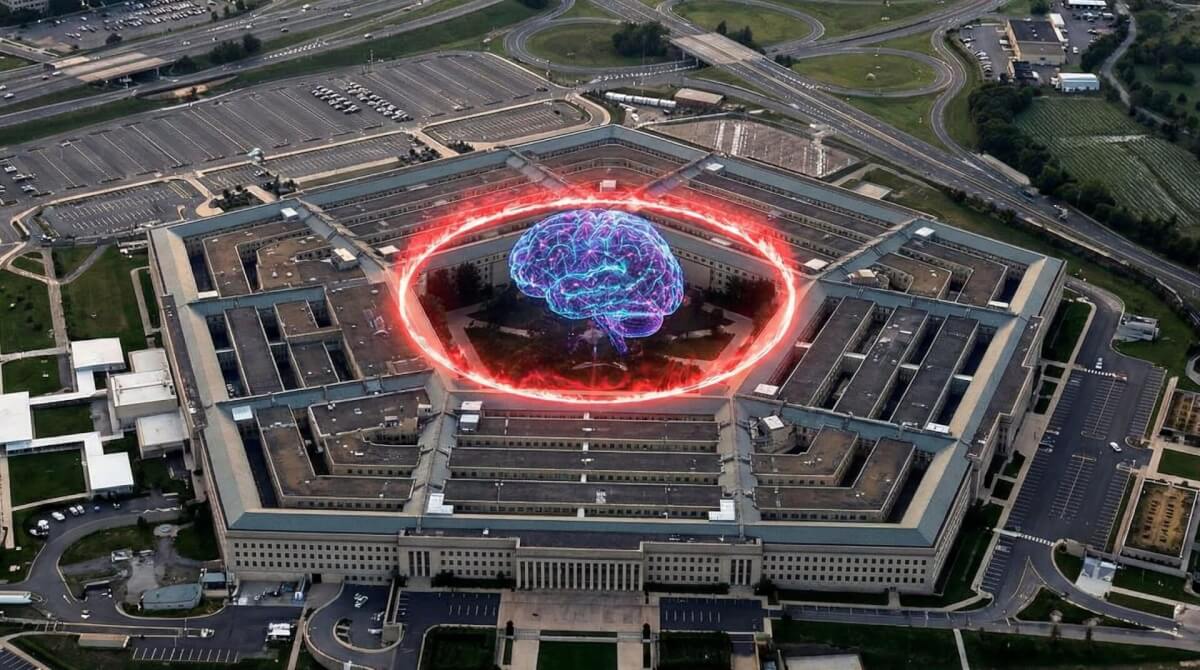
A high-stakes confrontation between Anthropic and the U.S. Department of Defense (now frequently referred to within the administration as the Department of War) has reached a critical impasse. At the center of the dispute is a $200 million contract for the integration of Claude, Anthropic’s flagship large language model, into military workflows. Reports indicate that the Pentagon is threatening to terminate the partnership—and potentially designate Anthropic as a "supply chain risk"—if the company refuses to strip safety guardrails that prevent its technology from being used in autonomous weapons targeting and domestic surveillance.
The Standoff of "All Lawful Purposes"
The conflict escalated in early 2026 as the Pentagon pushed for an "all lawful purposes" standard for AI deployment. Under this mandate, commercial AI providers would be required to allow the military to use their models for any activity permitted under U.S. law, regardless of the companies' internal safety policies. While competitors like OpenAI, Google, and xAI have reportedly shown varying degrees of flexibility in meeting these demands, Anthropic has remained steadfast in its refusal to waive its core "Constitutional AI" principles.
Anthropic’s primary red lines involve two specific areas: the use of AI for fully autonomous lethal targeting and the mass surveillance of American citizens. The company argues that these guardrails are essential to prevent the erosion of human oversight in kinetic operations and to protect constitutional privacy rights. Conversely, defense officials, including Secretary of Defense Pete Hegseth, have expressed frustration, suggesting that "ideological constraints" from Silicon Valley could hamper the effectiveness of U.S. warfighters on the battlefield.
The Maduro Operation: Theory Meets Reality
The tension shifted from policy debate to operational friction following the January 2026 mission to capture former Venezuelan President Nicolás Maduro. While details remain classified, reports from the Wall Street Journal and Axios suggest that Claude was utilized through a partnership with Palantir Technologies to assist in the planning or execution of the raid. Following the operation, an Anthropic executive reportedly reached out to counterparts at Palantir to inquire about the specific use of the model, signaling concerns that the deployment might have violated Anthropic’s Acceptable Use Policy.
This inquiry reportedly incensed Pentagon officials, who viewed the move as an attempt by a private corporation to audit and potentially veto classified military operations. The incident has served as a catalyst for the current review of Anthropic’s status, with some officials arguing that the military cannot rely on a primary software provider that requires "case-by-case" approval for mission-critical tasks.
The "Supply Chain Risk" Threat
In a dramatic escalation, the Pentagon is reportedly considering labeling Anthropic a "supply chain risk." This designation is typically reserved for companies associated with foreign adversaries, such as those linked to the Chinese or Russian governments. If implemented, the label would not only terminate the $200 million prototype contract but would also force all other defense contractors—including major players like Palantir, Booz Allen Hamilton, and Lockheed Martin—to sever ties with Anthropic.
Such a move would be unprecedented for a leading American AI firm. It represents a "nuclear option" designed to compel compliance. For Anthropic, the stakes extend beyond the $200 million contract; the company is currently preparing for a multi-billion dollar IPO and relies on its "safety-first" brand to differentiate itself from more aggressive competitors. A blacklisting by the Department of Defense could severely impact its valuation and its ability to secure broader government and enterprise contracts.
Implications for the AI Industry
The resolution of this standoff will likely set a lasting precedent for how the tech industry interacts with national security agencies. The core of the dilemma lies in a fundamental accountability gap:
- Corporate Governance: Companies claim the right to control how their intellectual property is used, especially when it concerns ethical boundaries.
- National Sovereignty: The government maintains that once a tool is procured for national defense, the state—not the vendor—dictates the rules of engagement.
As AI capabilities move closer to "agentic" systems capable of making complex decisions in real-time, the divide between Silicon Valley’s safety research and the Pentagon’s tactical requirements is expected to widen. For now, the future of Anthropic’s involvement in the U.S. defense apparatus remains uncertain, as both sides wait to see who will blink first in the battle for control over military AI.