YouTube Music Expands Generative AI Playlist Features to Global Premium Users
In a significant expansion of its artificial intelligence capabilities, YouTube Music has officially begun rolling out its generative AI-powered playlist generator to Premium subscribers. The feature, which first appeared in experimental testing phases in 2024, is now becoming a cornerstone of the platform's mobile experience on both iOS and Android. This move represents a strategic pivot in how users interact with massive digital libraries, moving away from manual curation and keyword-based searches toward a conversational, intent-based model of discovery.
From Search to Conversation: The Prompt-Based Future
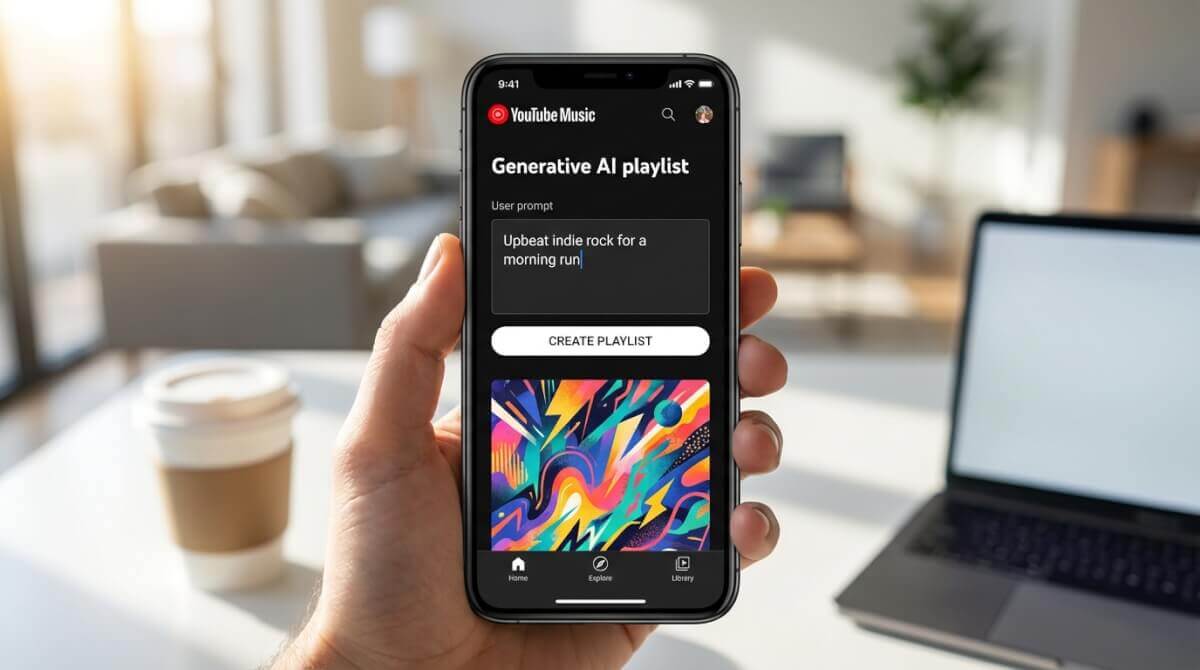
The new feature, identified within the app as "AI Playlist," allows users to generate complex, curated lists of music through natural language prompts. Instead of browsing genres or manually adding tracks to a queue, listeners can simply describe a mood, an activity, or a specific aesthetic. For example, a user might enter a prompt such as "upbeat indie rock for a morning run" or "melancholic jazz for a rainy afternoon in Paris," and the system will instantly assemble a matching selection of tracks.
This evolution in the user interface (UI) aims to bridge the gap between abstract feelings and concrete audio choices. By leveraging large language models (LLMs) and Google's deep understanding of its massive content catalog, the AI does more than just match tags; it attempts to understand the nuances of the request, surfacing deep cuts alongside mainstream hits that align with the user's specific intent.
How the AI Playlist Generator Works
The integration is designed to be seamless and intuitive. To access the tool, subscribers can navigate to the "Library" tab in the YouTube Music app, tap the "New" button, and select the "AI Playlist" option. From there, a dedicated interface opens where users can either type or use voice commands to provide their prompt. To assist those who may be unsure of where to start, the app provides a carousel of suggested prompts, such as "90s classic hits," "progressive house for a chill party," or "raging death metal."
Unlike traditional algorithmic recommendations that rely heavily on past listening history, the AI Playlist generator allows for spontaneous exploration. It creates a dynamic starting point that users can then save or further refine. While early versions of the tool were described as "Ask for music" and focused on creating custom radio stations, the refined rollout focuses on the creation of stable, saveable playlists, giving users more ownership over the AI's output.
The Streaming Wars: YouTube vs. Spotify
YouTube's deployment of this feature is widely seen as a direct response to Spotify’s aggressive push into AI. Spotify has previously introduced its "AI DJ" and its own "AI Playlist" feature, which similarly uses text prompts to curate music. However, YouTube Music brings a unique competitive advantage to the table: its integration with the broader YouTube ecosystem. This allows the AI to pull from a repository that includes not only official studio releases but also live performances, covers, and remixes that are exclusive to the platform.
Industry analysts note that as streaming platforms reach a point of saturation in terms of catalog size, the battleground has shifted to personalization and retention. By offering a tool that feels like a conversation with a knowledgeable friend, YouTube is betting that increased engagement will drive long-term loyalty among its 100 million-plus Premium subscribers.
Strategic Implications for the Premium Paywall
The decision to keep the AI Playlist generator behind the Premium paywall is a calculated business move. Google has recently reported surpassing 325 million paying users across Google One and YouTube's subscription tiers. By making sophisticated AI tools exclusive to paying members, the company is creating a clear value proposition for its subscription model.
This strategy also includes a degree of friction for free users. Recently, YouTube has experimented with moving certain features—such as access to song lyrics—behind the paywall, signaling a shift where AI-enhanced convenience and deeper data access are treated as premium commodities. As generative AI becomes more integrated into everyday applications, its role as a "retention tool" for SaaS models is becoming increasingly evident across the tech sector.