Google Unveils Gemini 3 Deep Think and Music Generation Features
In a significant expansion of its artificial intelligence ecosystem, Google has officially unveiled two major updates to the Gemini 3 suite: the Deep Think reasoning mode and advanced music generation powered by the Lyria 3 model. These developments signal a strategic shift toward specialized, high-intensity compute models capable of tackling expert-level scientific challenges while simultaneously pushing the boundaries of multimodal creative expression.
Gemini 3 Deep Think: A New Paradigm in AI Reasoning
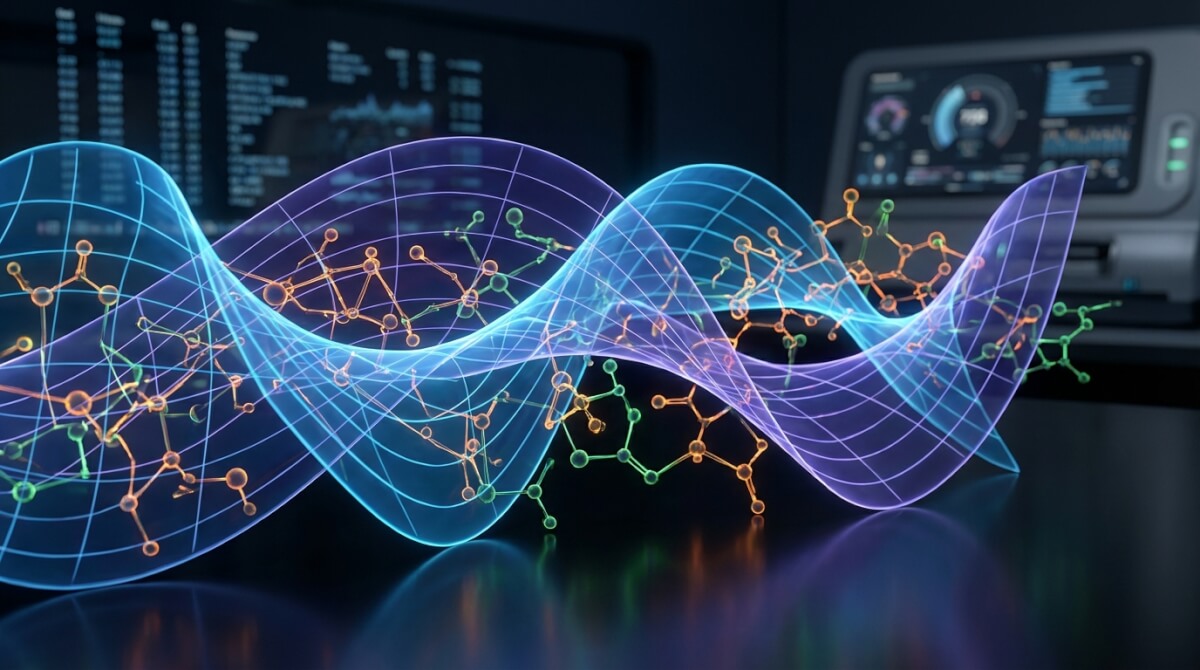
Gemini 3 Deep Think represents a departure from traditional 'System 1' AI models, which focus on rapid token prediction. Instead, Deep Think utilizes 'System 2' thinking—a deliberate, analytical approach that scales compute at the moment of inference. By dedicating more time and resources to a single query, the model can explore multiple hypotheses in parallel, verify its own logical steps, and refine its output before presenting a final answer.
The technical results of this architecture are record-breaking. According to Google, Gemini 3 Deep Think achieved a score of 84.6% on the ARC-AGI-2 benchmark, a rigorous test designed to measure genuine abstract reasoning rather than pattern recall. This performance places it significantly ahead of its nearest competitors and marks a milestone in the industry's quest for artificial general intelligence. Furthermore, the model has demonstrated 'gold medal-level' proficiency in International Olympiad-level physics and chemistry problems, and achieved a 3455 Elo rating on Codeforces, positioning it within the top tier of competitive human programmers.
Lyria 3: From Text and Images to Original Soundtracks
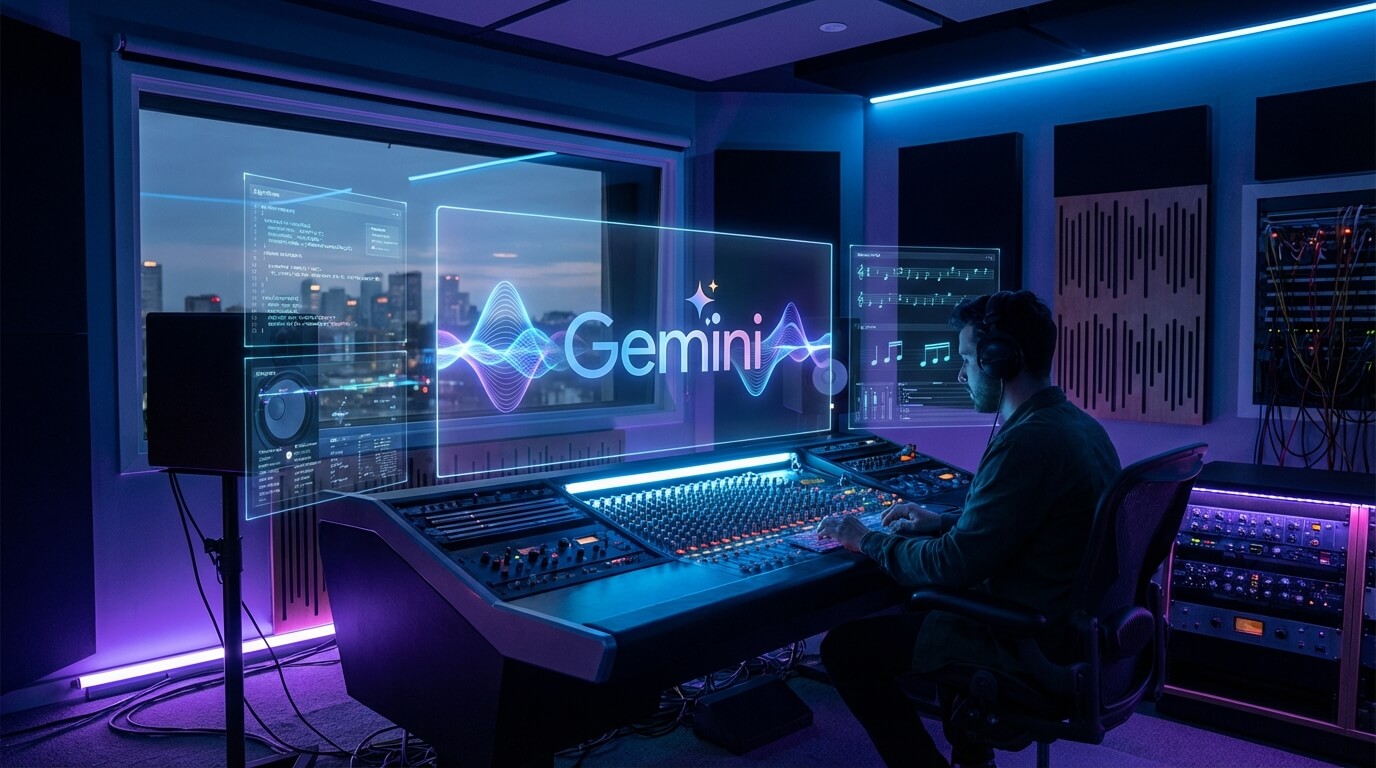
While Deep Think targets the scientific and engineering communities, Google’s release of Lyria 3 brings advanced generative capabilities to the creative sphere. Integrated directly into the Gemini app, Lyria 3 allows users to generate 30-second high-fidelity audio tracks using either text descriptions or visual prompts.
The model is designed for deep multimodal understanding. A user can upload a video of a woodland hike or a photo of a pet and ask Gemini to "create a folk ballad from this perspective." Lyria 3 then generates not only the instrumental arrangement but also original lyrics and vocals tailored to the mood and style of the input. Key features of the new music tool include:
- Automated Lyric Composition: Users no longer need to provide their own lyrics; the system generates contextually relevant poetry and prose.
- Granular Creative Control: The interface allows for the adjustment of tempo, vocal texture, and genre, from 90s hip-hop to modern orchestral scores.
- Non-Mimicry Approach: Google has emphasized that Lyria 3 is designed for original expression rather than mimicking the voices or styles of specific copyrighted artists.
Safety, Attribution, and Enterprise Availability
With the rise of sophisticated generative media, Google has prioritized safety and transparency. All tracks generated by Lyria 3 are embedded with SynthID, a digital watermarking technology that remains detectable even after the audio has been compressed or edited. This ensures that AI-generated content can be verified across platforms like YouTube.
For enterprise and research users, Deep Think is currently available to Google AI Ultra subscribers and via an early access program for the Gemini API. This tiered rollout reflects the significant compute costs associated with extended reasoning modes. Meanwhile, the music generation features have begun rolling out globally across eight major languages, including English, Japanese, and German, for users aged 18 and older.
The Competitive Landscape
The introduction of these features positions Google in direct competition with OpenAI’s o1 reasoning series and Anthropic’s latest Claude models. By integrating both expert-level reasoning and high-end creative tools into a single platform, Google is betting on a future where AI is not just a chatbot, but a comprehensive partner for both scientific discovery and artistic production. The focus on inference-time compute suggests that the next phase of the AI arms race will be defined by depth and reliability rather than mere speed.